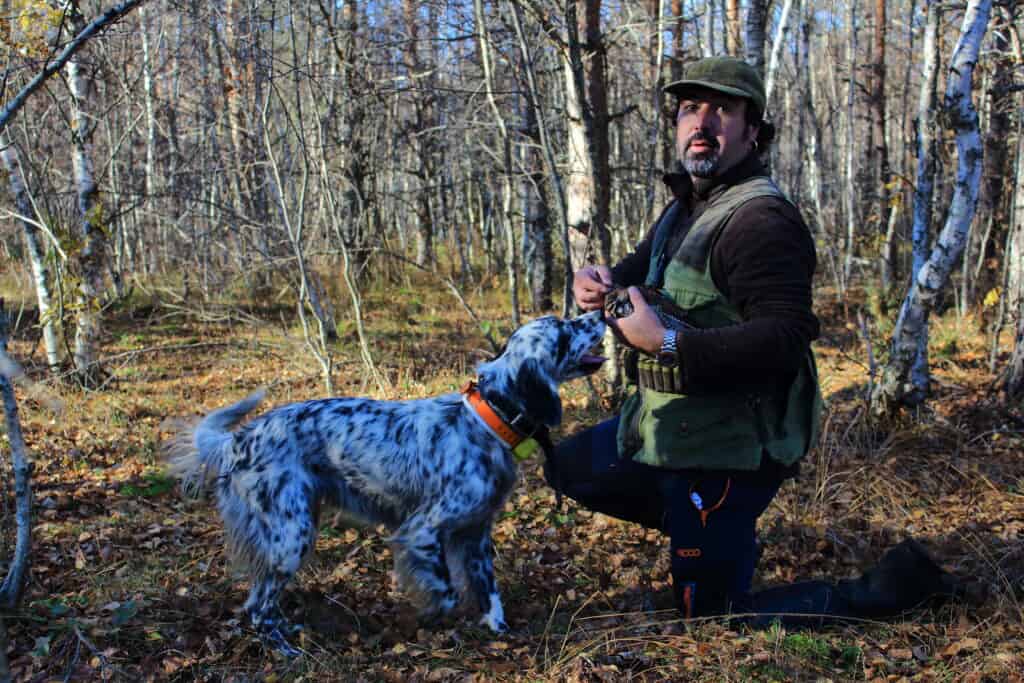
Woodcock in Estonia
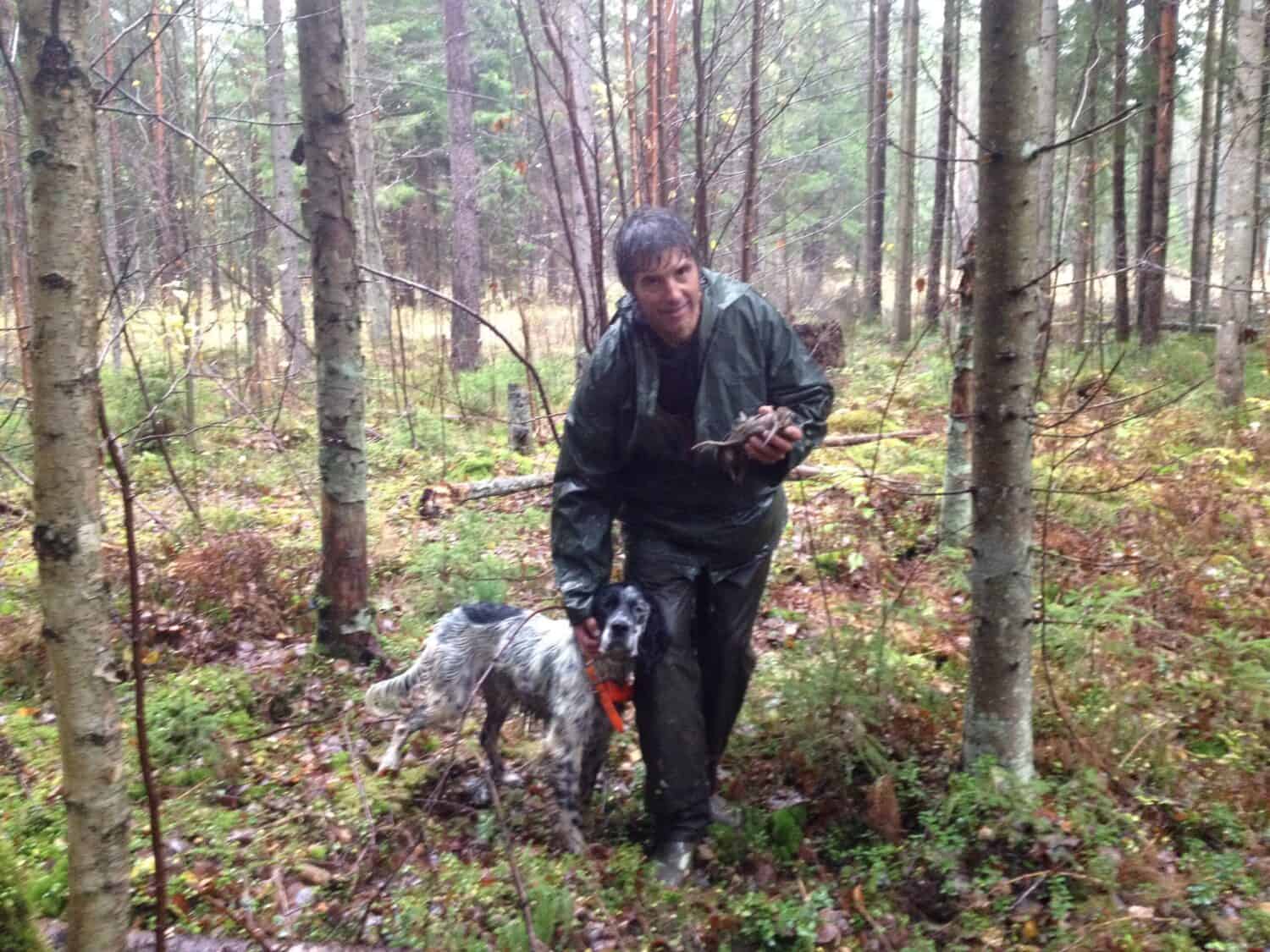
Estonia is considered one of the best destinations in Europe for woodcock hunting with pointing dogs and probably the best in the entire European Union.
Estonia is an important transit point for woodcock migration between Northern Russia and the Mediterranean, but it is also a nesting ground for a significant population of this species.
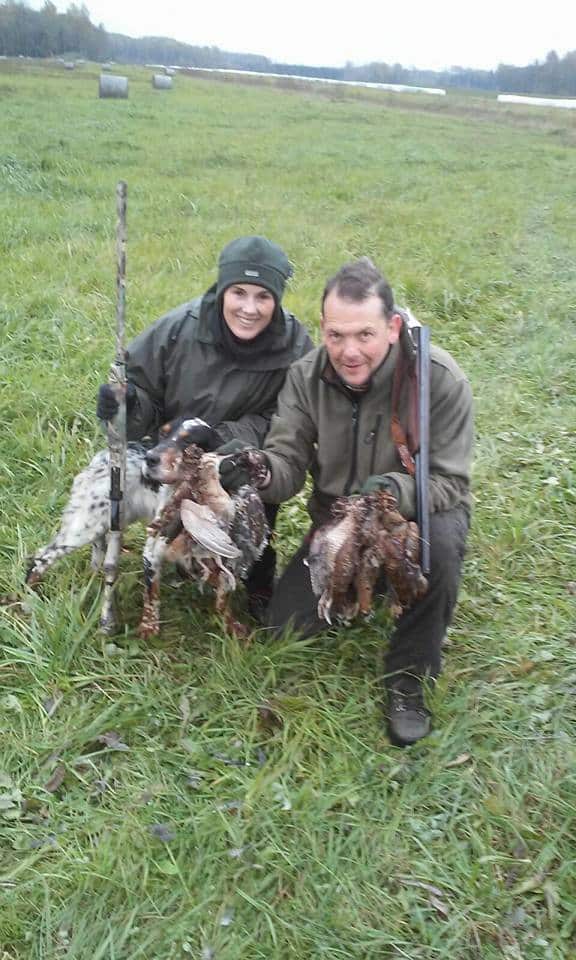
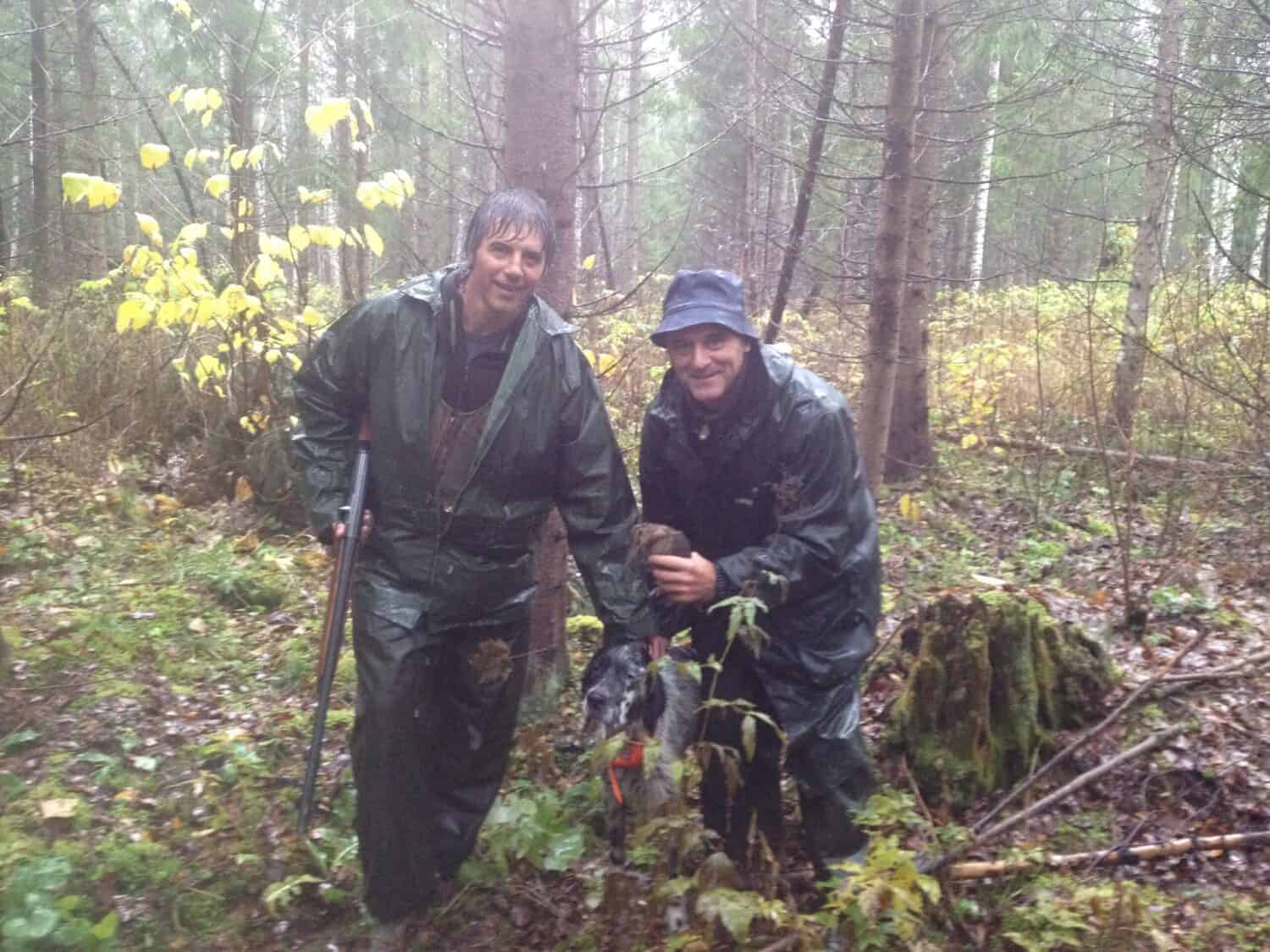
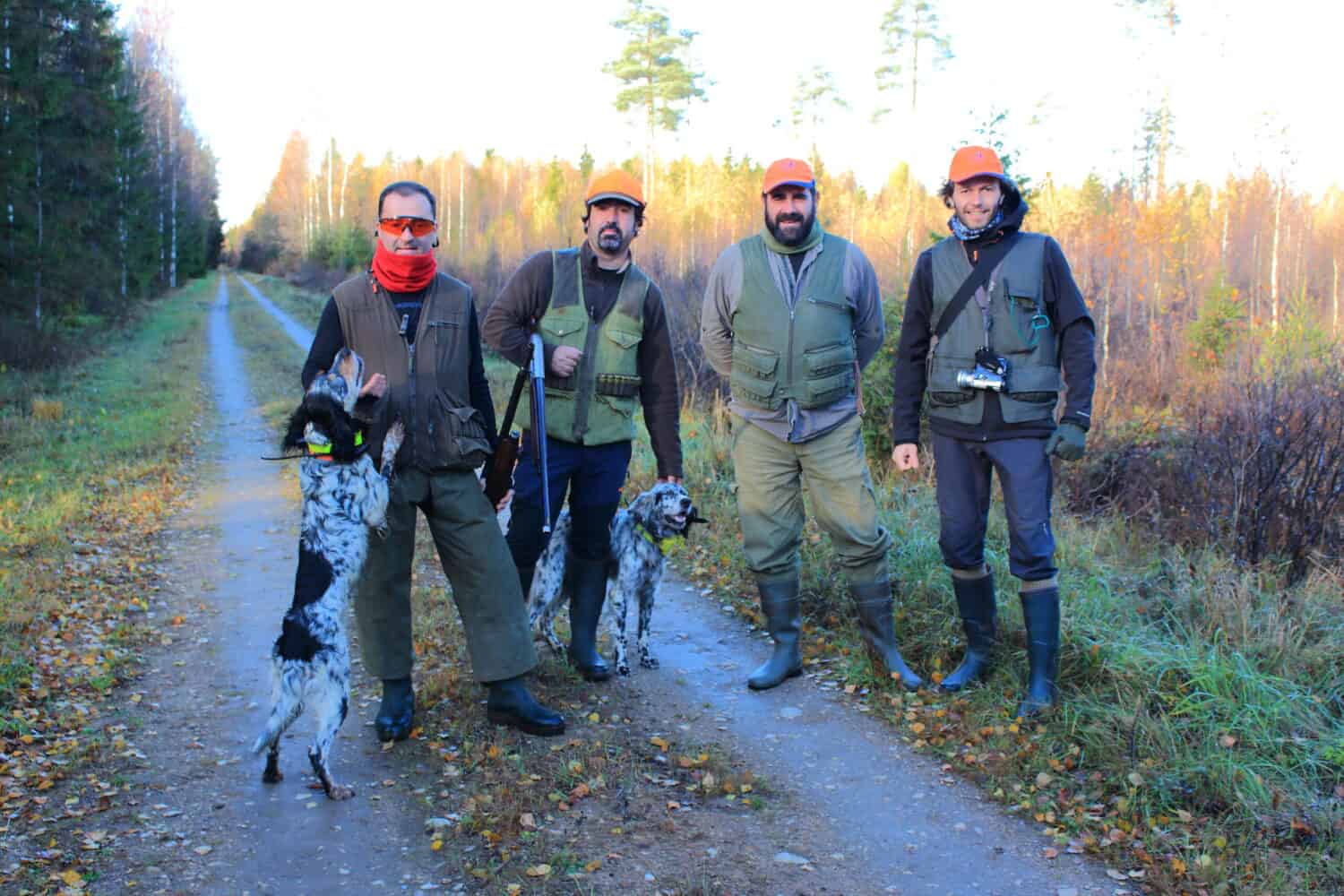
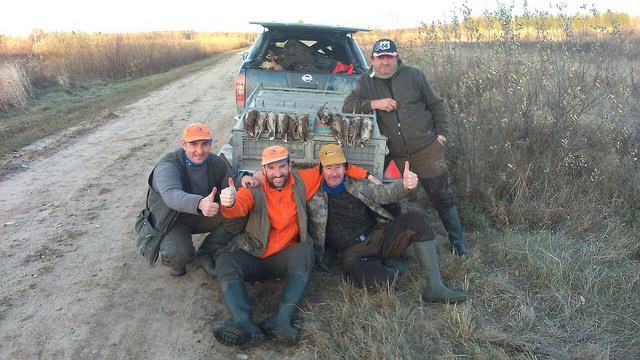
Woodcock Hunting
Hunting is done with pointing dogs and normally dogs are transported to Estonia by land using one of the transports we organize every year. However, it is also possible to bring them by plane.
The first woodcock of the year arrive in Estonia in early April coming from Southern Europe heading towards Finland and Russia, although it is estimated that about 50,000 pairs of woodcock choose Estonia for nesting.
Starting from mid-September, the first flights of woodcock returning to Southern Europe begin, with good densities already in early October mainly in the inland areas of Estonia. Well into October, when temperatures drop, the best woodcock densities are found on the islands and coastal areas.
On average, the number of daily sightings for each hunter with a good pointing dog is around 10 woodcock, a number that can increase to 30 or 40 during days of highest concentration.
How the Hunt Works
Hunting begins around 9 in the morning and continues until 5 PM. The local guide accompanies the hunter and dogs to the hunting area and indicates the terrain to cover. Normally two areas are hunted per day, the first area in the morning and then moving to the second area for the afternoon.
The areas chosen are always those that have historically produced the best densities and we try to have the hunter visit different areas during their stay.
It is advisable to come equipped with a GPS to avoid getting disoriented in the forest, which always results in unnecessary time loss, however it is possible to request the assistance of one of our guides inside the forest.
Harvested woodcock can be taken back to the country of origin without problems, either by plane or by land, since Estonia is a member of the European Union and the Schengen area.
Hunting Areas
Hunting areas located in the mainland usually have better densities than the islands until the third week of October. From that point on, temperatures drop and woodcock generally seek areas with milder temperatures, normally on the islands and coastal areas.
Dog Transport
For several years we have been organizing ground transport for dogs. Normally we organize between 2 and 3 transports during the season.
Dog transport can also be done by plane or by land with your own vehicle. Normally groups of up to 2 hunters can fly with 1 dog per hunter. If the group is larger, it can be split across multiple flights or the trip can be made by land.
If you decide to bring dogs by plane, it is important to contact us so we can manage the airline tickets and ensure the dogs are included. You can find more details on our practical information page.
Recommendations for transporting dogs by plane:
- The dog must be able to stand in its natural posture, turn around and lie down comfortably.
- The bottom of the carrier must be covered with absorbent and comfortable material for the dog.
- The carrier door must be able to close securely.
- The carrier must be plastic; metal carriers are not allowed.
- If the carrier has wheels, they must be removable at check-in.
- The carrier must have a food and water bowl inside.
- The carrier must have ventilation grills on at least 3 sides.
Sustainable Woodcock Hunting
At Nordic Hunting Club we promote and defend sustainable woodcock hunting, being very sensitive to the problem of overhunting. All woodcock hunters who hunt with us should know that we ask for the same respect for sustainable hunting and therefore expect hunting to be done in moderation. Although we do not impose daily quotas, we expect common sense to always prevail.
It is important to remember that the woodcock not hunted in Estonia can be hunted a couple of months later in Southern Europe.