European Moose Hunting
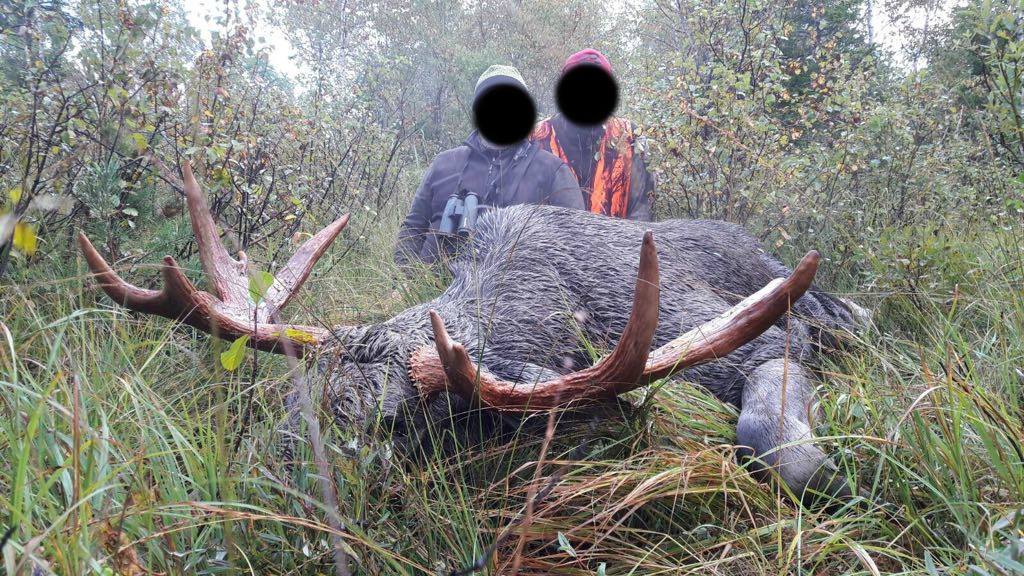
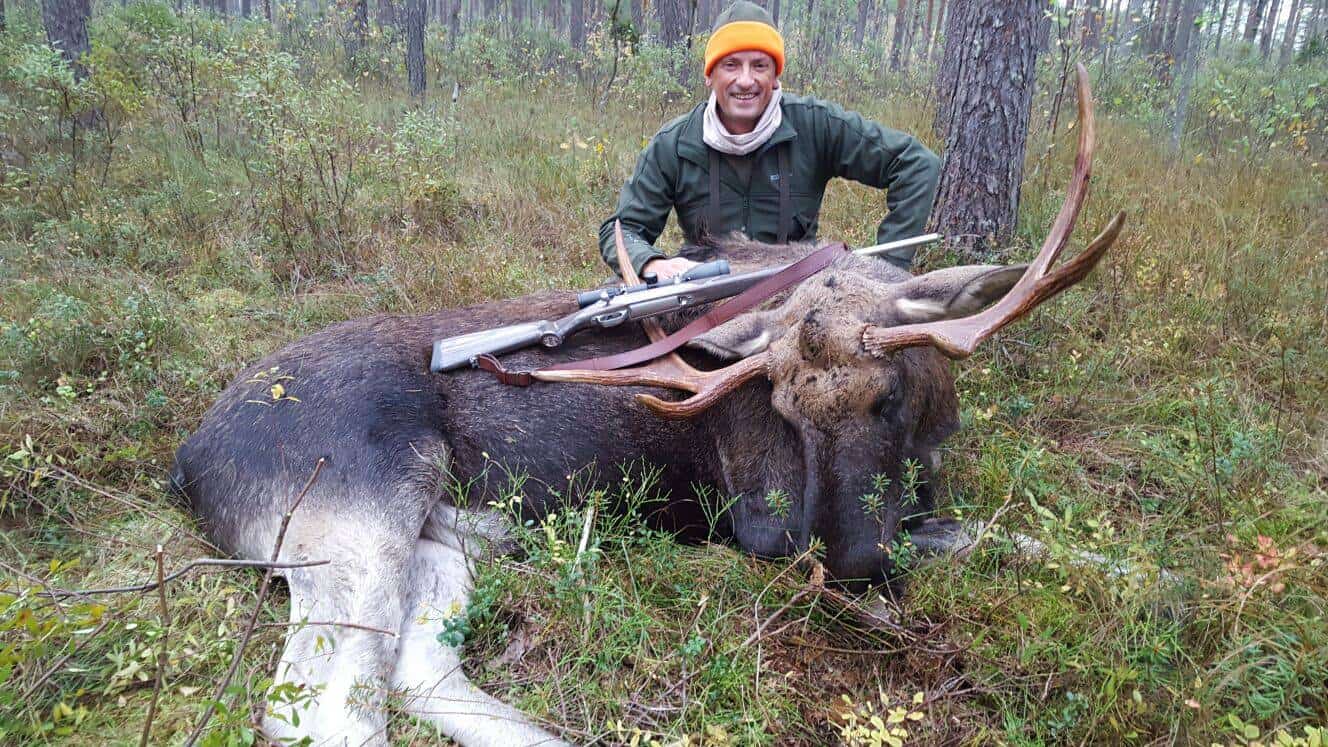
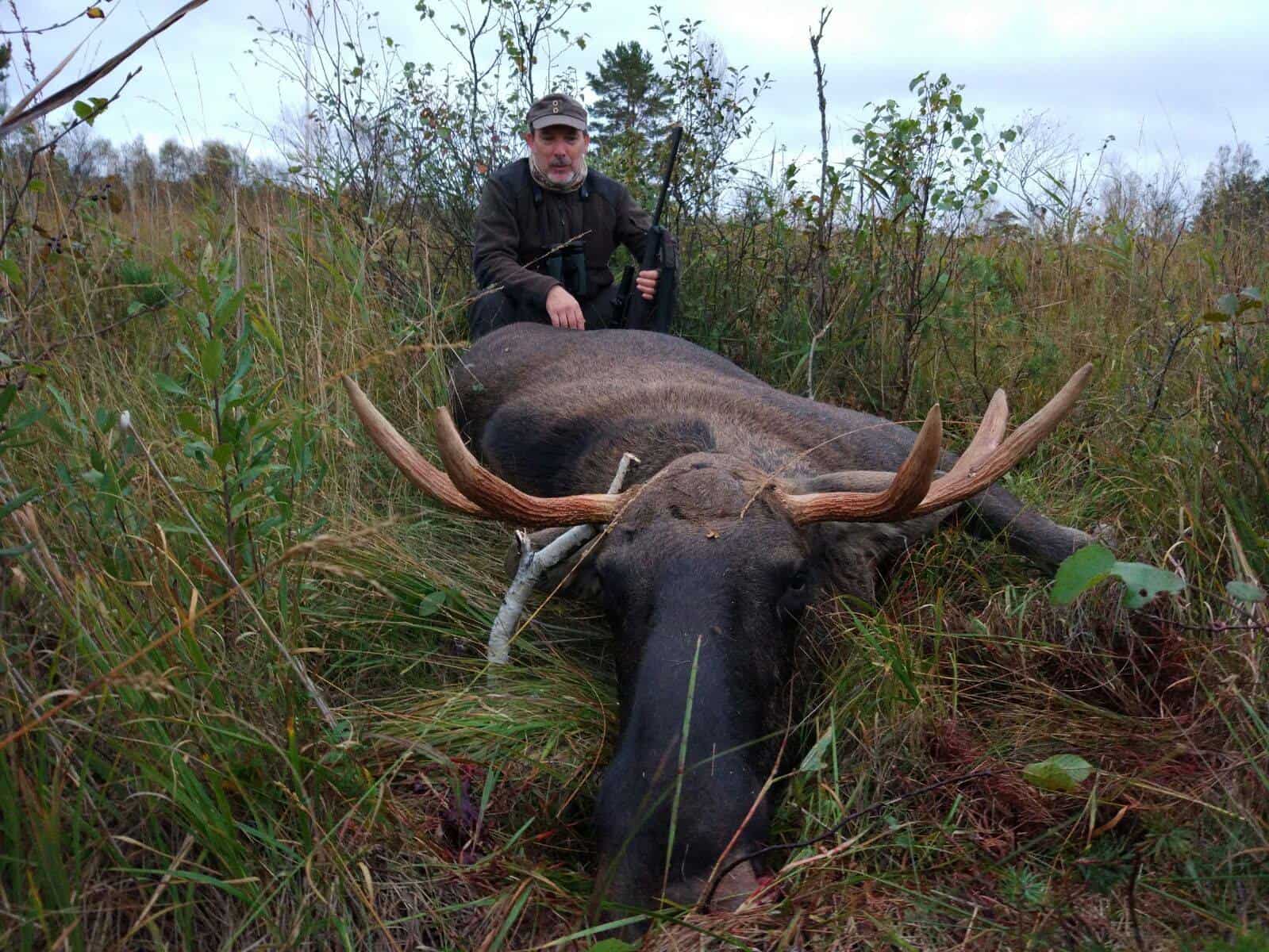
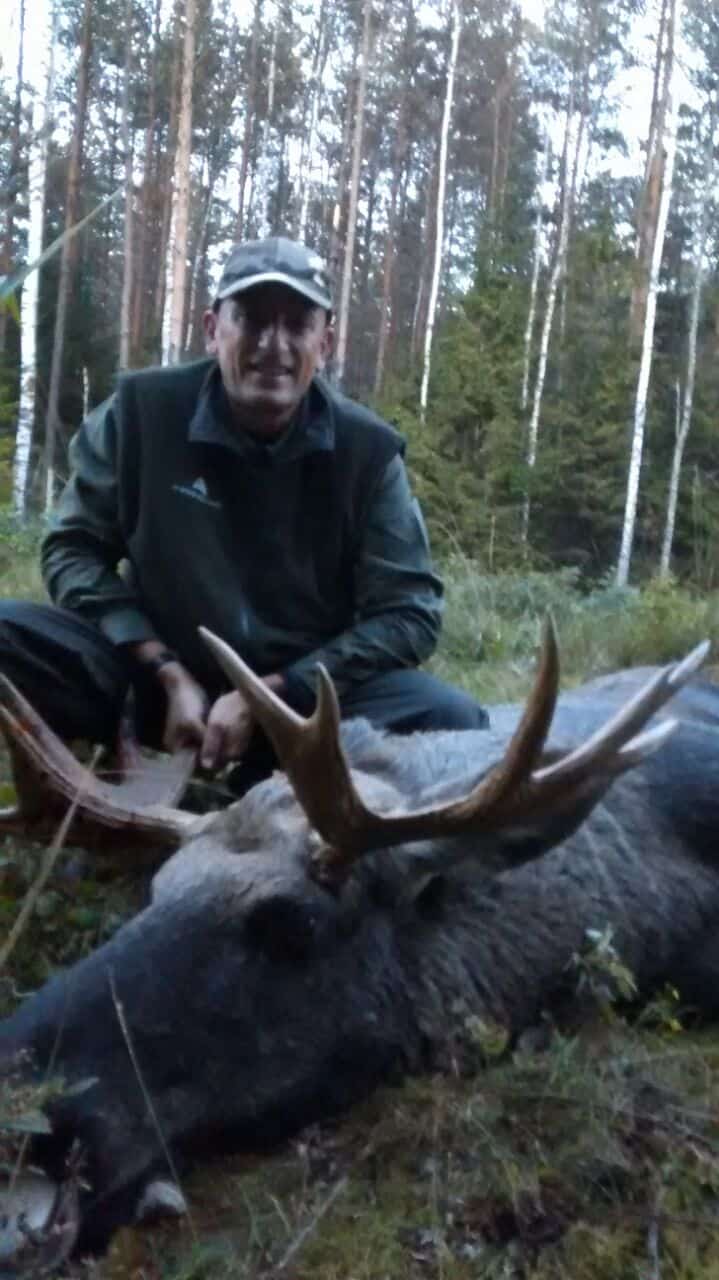
Moose can be hunted from September 15th to December 15th. Hunting is done by calling during the rut period, from stands, and with Nordic hunting dogs. During the rut (September 15 to October 10), hunting is done by calling, imitating the voice of the female or male.
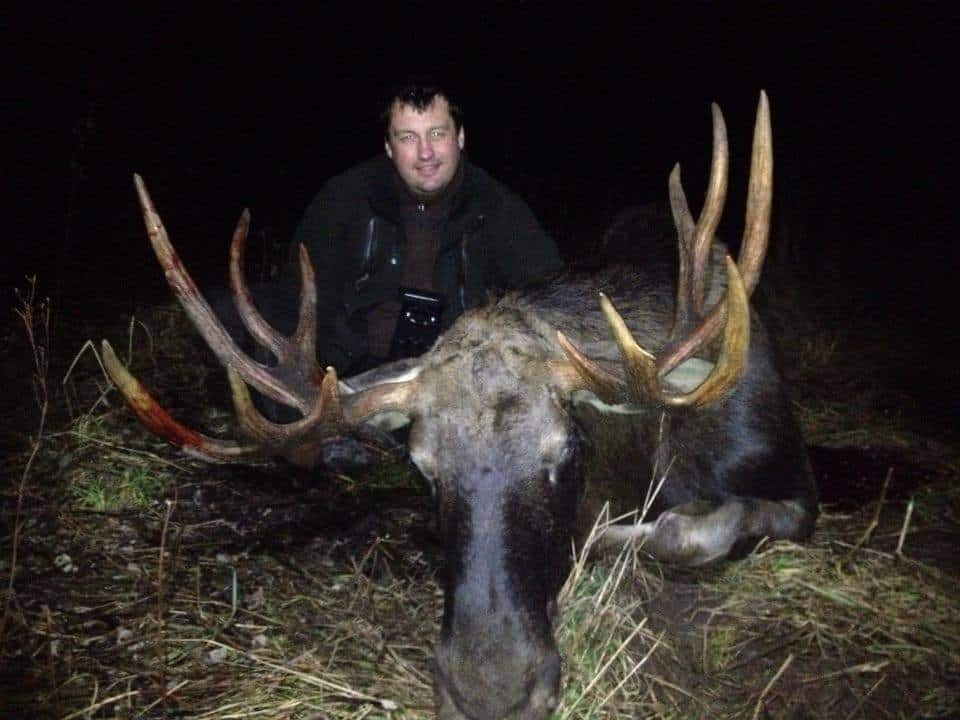
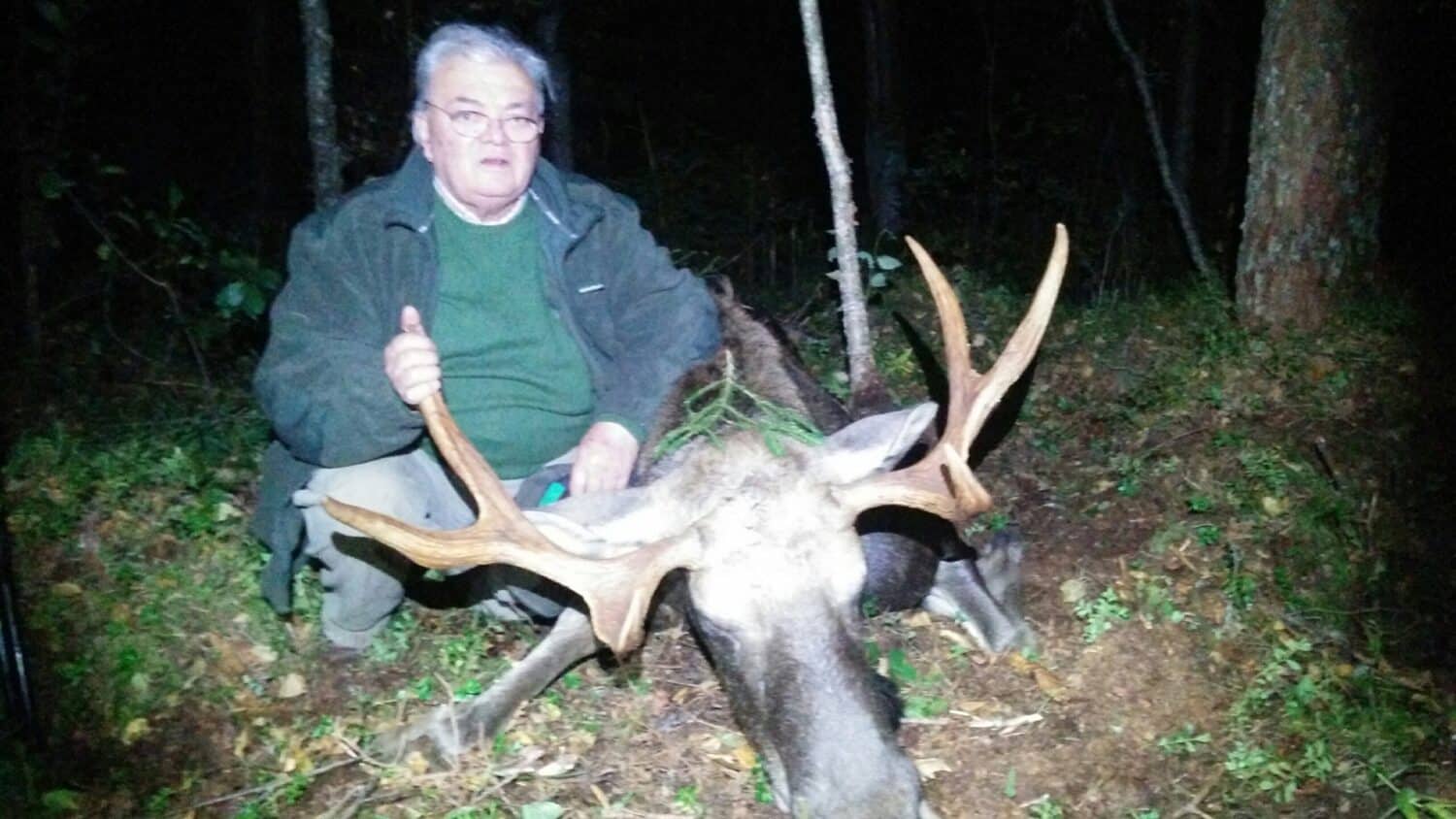
From October onwards, hunting is done at night stands from high seats and with dogs during the day. There is also the possibility of stalking moose that come to feed in the fields. This stand hunting method is also used in brown bear hunting in Estonia.
In November, with the arrival of snow, hunting transitions to being done with dogs when, thanks to the snow, it is relatively easy to locate the best specimens by following the visible tracks they leave in the snow.
The European Moose in Estonia
Today the moose population in Estonia is optimal. The estimated moose population in Estonia is approximately 60,000 specimens and annually between 4,000 and 6,000 specimens are hunted. Estonia has become one of the preferred destinations for hunting in Estonia of large cervids.
Adult males can be hunted until November 30th, although given the high density of moose and the damage and accidents caused by this species, it is common for the government to extend the hunting season for adult males until December 15th.
Moose Hunting During the Rut
Hunting is done by calling during the moose rut period. The hunt begins at first light and in areas frequented by moose.
Our guides will make the call of the female moose to attract males looking for a female to mate with.
How the Hunt Works
Before dawn, we will move to the hunting area to begin hunting with the first rays of light, which in the morning normally lasts about 3 hours.
In the afternoon, about an hour before sunset, we will move again to the hunting area to carry out the second and final hunting outing of the day.
One of our guides will imitate the call of the female moose which will attract males that are looking to mate during this period. Normally the male moose does not take long to respond to the call and from that moment the guide will try to attract the moose out of the dense forest so that the hunter can have a good shooting opportunity.
This hunting method can sometimes be combined, from October 1st onwards, with moose hunting with dogs.
Characteristics of Moose Hunting During the Rut
Moose hunting during the rut takes place during the moose rutting period. Dates can vary but normally the rutting period begins the first week of September (it should be noted that the season opens on September 15th) and ends in mid-October.
The best conditions for moose hunting during the rut are low temperatures, little or no rain, and preferably little wind. If we have these conditions, the hunt is normally very productive; however, moose rutting can be somewhat erratic and this adds an extra factor of uncertainty to moose hunting using this method.
Moose Hunting with Nordic Dog
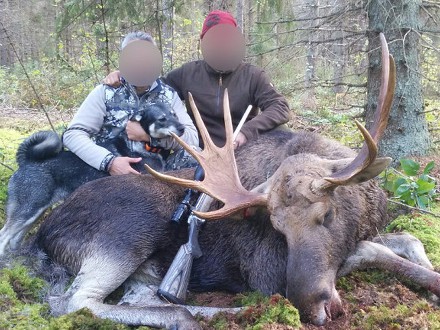
Moose Hunting with Dog is a traditional method of moose hunting in Northern Europe. In this hunt, Nordic hunting dogs are used which follow the moose track until they locate it, then they start barking, thus indicating to the hunter the presence of a moose. The dog will always try to hold the animal so that the hunter can approach the moose and resolve the situation.
How the Hunt Works
At dawn, we will move to the hunting area to search for fresh moose tracks on trails and terrain near salt licks. We will also use information obtained through trail cameras located in various areas of the reserve.
Once we have an idea of the location of the specimens, we will put the dog on the track and follow it using a GPS and radio frequency device that will help us know at all times where the dog is and therefore where the moose is.
Once the dog locates the specimen, it will start barking which will help us understand the situation. If the moose holds its ground against the dog and decides not to move, then the hunter will approach, together with one of our guides, and try to resolve the situation. In case the moose starts running and tries to escape from the dog, the hunter will move to one of the many trails in the reserve and try to cut off the moose's trajectory, normally having a clear opportunity.
The hunt lasts approximately 6 hours and this hunt allows us, in many cases, to have several opportunities per day and even be selective.
Characteristics of Moose Hunting with Dog
Without a doubt, this type of moose hunting is more effective than moose hunting during the rut and allows us to have multiple opportunities and very exciting situations. The best conditions for moose hunting with dogs are cold days with fresh snow and preferably little or no wind.
This hunting method requires the hunter to have an acceptable physical level since many opportunities require movements in the forest of up to 2 kilometers or short movements at a trot or run.
Information about the European Moose (Alces alces)
The Alces alces is a mammal, herbivore of the deer family. It differs from the American moose in body size, coloration, and antlers. It is considered the largest cervid. They are generally solitary and although they are faithful to their territories, they do not defend them.
Physical Description
Large head and short, robust body with a wide chest. Its length ranges from 2.5 m to 3 m and its tail can measure between 5 and 12 cm. Its height can reach 2 m. They normally weigh between 350 and 450 kg and live between 20 and 25 years. Males have wide palmate antlers that end in several points which they shed every year. They have a very thick upper lip that hangs and their legs are long and strong.
Distribution and Habitat
In Europe we can find them in the north; Finland, Latvia, Lithuania, Estonia, European Russia, Germany, Norway, and Sweden. They inhabit coniferous forests, poplars, and willows, always in wooded terrain, preferably near lakes.
Diet
They feed mainly on shrubs, leaves, tree bark, berries, willow shoots, birches, and aquatic plants from rivers and lakes. They are excellent swimmers and can swim up to 20 km in search of water lilies. They need to eat 19.5 kg of food per day.
Reproduction
The European moose rutting period takes place from September to October, a period when the males' antlers have reached their maximum size; this allows them to compete with other males to reproduce with females who will yield unless they have a calf from the previous year, in which case they will not accept the male and thus prevent him from chasing away their calf. The gestation period for female moose lasts approximately 242-250 days. Young females give birth to only one calf, unlike adults, who give birth to two, normally of different sexes, or exceptionally three.